
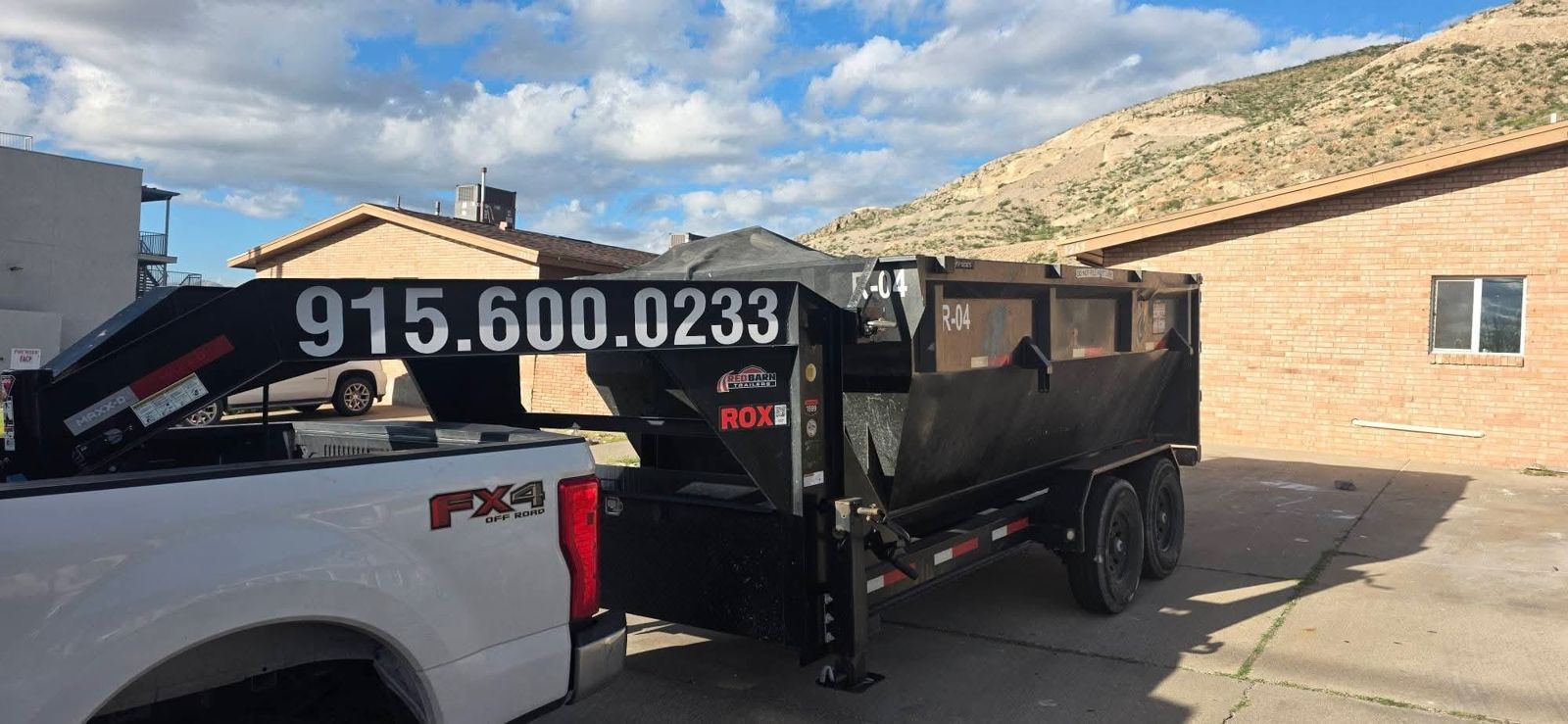
Planning debris handling alongside roofing work
On a roofing job, debris comes off the roof quickly once tear-off begins. If the container is not in place, or is in the wrong spot, the crew may pile material on the ground, which creates extra work and can damage landscaping. Plan the disposal side as part of the overall schedule.
- Confirm the roofing start date with your contractor.
- Request a quote early so delivery can be planned before tear-off.
- Agree with the roofer on where the container should go.
- Plan pickup for after the crew finishes and cleans up.
Discussing shingles, underlayment, wood, metal and mixed debris
Roofing debris is not one material. Each type should be described on its own so Roadrunner can understand the load.
| Material | What to mention |
|---|---|
| Shingles | Type if known and approximate amount |
| Underlayment and felt | Whether it is coming off with the shingles |
| Wood decking and boards | Whether any decking is being replaced and how much |
| Metal flashing, drip edge or panels | Approximate amount and whether it will be separated |
| Mixed debris | Nails, vents, packaging and other leftovers |
If you do not know some of these details, ask your roofing contractor. They usually know what is on the roof and what they plan to remove.
Why material type and weight matter
Roofing material is dense. A container can reach a weight limit with roofing debris long before it looks full. Weight affects whether the load can be hauled safely, what is included in your quote and how the container should be loaded.
That is why Roadrunner asks about material type instead of simply recommending the largest container. Volume and weight have to be considered together, and both depend on what is coming off your roof.
Why roof area alone cannot determine the right container
It is tempting to pick a container based on the size of the roof. Roof area is useful, but on its own it cannot tell you the correct container or weight allowance. The same roof area can produce very different debris loads depending on the material, the number of layers, how much decking is replaced and what else comes off.
Share the roof area if you know it, but pair it with the material details above. Roadrunner does not quote a specific number of roofing squares per container.
Multiple existing roofing layers
Some roofs have been covered more than once, leaving two or more layers of roofing material. Removing multiple layers can significantly increase the amount and weight of debris. If your contractor has mentioned more than one layer, or if you are not sure, include that in your quote request. It is one of the most important details for planning.
Comparing available container sizes
Roadrunner offers 10, 15 and 20 yard containers. The 20 yard dumpster rental is the size associated with roofing and larger jobs, but the right choice depends on your materials and weight. In some cases, a smaller container with a plan for additional loads could be discussed. Roadrunner will not guarantee how much roofing debris fits in a given size; it will help you plan based on your details.
You can compare all options on the services overview, including the 15 yard dumpster rental.
Placement coordination with the roofing contractor
The roofing crew needs the container close enough to load efficiently, often directly from the roof edge, without damaging the house, landscaping or vehicles. Talk with your contractor about the best spot before delivery, then share it with Roadrunner.
- Choose a firm, level spot close to the work.
- Check for overhead lines and branches near the spot.
- Keep the container away from windows, AC units and fragile plants where possible.
- Make sure the location still leaves room for the roofer's trucks and materials.
Keeping delivery and pickup access clear
Delivery and pickup both need a clear path for the truck and trailer. On a roofing job, material deliveries and crew vehicles can quickly fill a driveway. Keep the approach to the container open on delivery day and again on pickup day.
Load limits and the approved fill level
Keep roofing debris within the container's approved fill level, and follow any weight instructions you are given. Spread heavy material evenly instead of piling it in one corner. Do not stack debris above the top edge. Overloaded or overfilled containers may not be hauled until material is removed.
Share the fill-level and weight guidance from your quote with the roofing crew before they start loading.
Separation requirements and prohibited materials
Ask whether any roofing materials need to be separated, for example metal from shingles. Also ask which materials cannot be accepted. Roadrunner does not accept asbestos-containing materials or other regulated materials through this service. If you are unsure whether older roofing contains a regulated material, have that resolved before tear-off and before anything goes in a container.
Confirming scheduling, pricing and pickup
Before booking, make sure you understand the delivery date, rental period, weight considerations, what is included in the price and how to request pickup. If the roofing schedule changes, let Roadrunner know as soon as possible so the container plan can be adjusted where availability allows.
What homeowners should ask their roofer about disposal
If you are a homeowner hiring a roofing contractor, find out how they plan to handle debris before work starts. Some contractors arrange the container themselves; others expect the homeowner to provide one. Knowing this avoids a last-minute scramble on tear-off day.
- Will you arrange the disposal container, or should I?
- How many layers of roofing are being removed?
- Will any decking be replaced, and roughly how much?
- Which materials will you keep separate, such as metal?
- Where do you want the container placed?
- When will tear-off start and when will cleanup be finished?
Share the answers with Roadrunner when you request a quote. They are exactly the details needed to plan the disposal side.
Information roofing contractors should include
Roofing contractors requesting a container should include the job address or ZIP code, the on-site contact, the roofing material and number of layers, an estimate of decking replacement, the start date and expected duration, the preferred placement and any access restrictions. If the job may need more than one load, mention it up front so additional loads can be discussed. Availability depends on the schedule and is confirmed case by case.
Protecting the property during roofing cleanup
Roofing debris can damage the areas around a home if it misses the container. Talk with your contractor about protecting landscaping, windows, air-conditioning units and decks near the container. Ask whether boards or other protection should be placed under the container on your driveway.
After the job, walk the property with the contractor to look for stray nails and debris before pickup. A clean finish makes pickup simpler and leaves the property ready to use.
Example roofing disposal request
This example shows the level of detail that helps; it is not a completed Roadrunner job.
Example: “Residential re-roof, asphalt shingles, contractor says two layers coming off with some decking replacement. Tear-off starts on a Monday and should take about three days. Container can go on the concrete driveway on the north side, about 15 feet from the roof edge. No overhead lines. Roofer will load and keep metal separate.”
With details like these, Roadrunner can talk through size, weight and pickup with confidence.
Preparing for pickup after the roof is finished
Before you call for pickup, make sure the crew has cleared the roof edge and the ground around the container, the load is within the fill level, and nothing is leaning on or hanging over the sides. Keep the driveway and approach clear for the truck and trailer. Letting Roadrunner know when the job is actually complete helps the pickup happen without delays.
Frequently asked questions
Does Roadrunner install or repair roofs?
No. Roadrunner Dumpster provides roofing material disposal planning and containers. It does not install, repair or tear off roofs.
How many roofing squares fit in a container?
Roadrunner does not quote a number of squares per container. Weight depends on material and layers, so share those details for a recommendation.
Which container size is best for roofing?
The 20 yard size is the one associated with roofing, but material type and weight determine what makes sense. Describe the job for a recommendation.
Can asbestos roofing go in the container?
No. Asbestos-containing and other regulated materials cannot be accepted through this service.
Who loads the container on a roofing job?
Normally the roofing crew loads the container. If you need to ask about anything else, raise it during your quote.
What if the roofing job is delayed?
Let Roadrunner know as soon as possible so the delivery or rental can be adjusted where availability allows.
Related pages
Plan your roofing disposal
Send the roofing materials, number of layers and placement details. Roadrunner Dumpster will help you plan the container and pickup before tear-off begins.